Lars Baron/Getty Images
F1 regulation tweaks 'not easy', and changes are expected in stages - Permane
Any changes to the 2026 Formula 1 regulations could come in stages over the next four rounds initially, according to Racing Bulls team principal Alan Permane.
Formula 1, the FIA, and the teams have been holding meetings during the current break in races to discuss any tweaks to the new rules, in order to try and improve the challenge for drivers in qualifying and reduce the risk of significant closing speeds between cars. Permane says the ongoing talks have been productive so far, but that the wholesale changes aren’t realistically possible in one go.
“I think they can happen in a lot more than [two stages],” Permane said. “There's many suggestions that have been put forward. I think that we have a particularly tough time with Miami being a Sprint because there's really little time to test anything.
“So it may well be that we try some of the ones that are, let's say, a little bit simpler and less risky in Miami, and then we try some more in Montreal, and then of course we go to Monaco where it's almost impossible to test anything.
“So Barcelona might be the first time when we try some of the more, let's say, challenging ones. I wouldn't say it's necessarily two [updates], I would say we should keep open minded and maybe this is a continuous thing. I don't know, that would be driven by the FIA and by F1, but I don't think we should limit ourselves. Certainly, we can keep working at it.”
A veteran of the F1 paddock for over 35 years, Permane says there are a number of different viewpoints that need to be taken into account, but that aspects of the new regulations have delivered standout action at times.
“It's not an easy one,” he said. “We obviously have to listen to the drivers. I think there are two groups – well maybe that's simplifying a little bit – but I think the die-hard fans are very upset about it, you can see, but also I think that maybe the casual viewers actually find it very exciting.
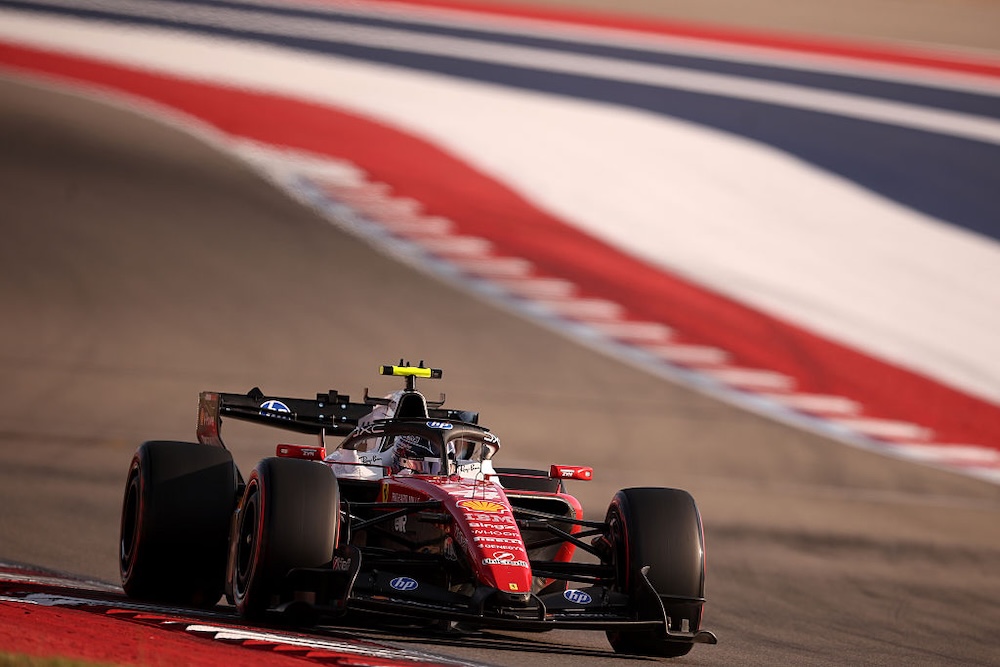
“I have to admit I think that some of the race battles have been immense and I got distracted myself on the pit wall watching the Ferraris race each other in Shanghai, I thought it was great. And even some of the stuff in Melbourne… I know it was a little bit that those first laps in Melbourne, I think when you replay it and watch them back ‘Oh yeah, he's using his energy there and then he's getting overtaken here’, but actually when you watch it live actually I found it quite exciting.
“But we have to listen to our audience, we have to listen to our drivers as well, and there's lots of work going on as I'm sure everybody knows. And it's still going on. There's another meeting tomorrow [Wednesday], there was a very productive one last week and there will be a further one next week where we will decide on what package of tweaks we're taking through to Miami.
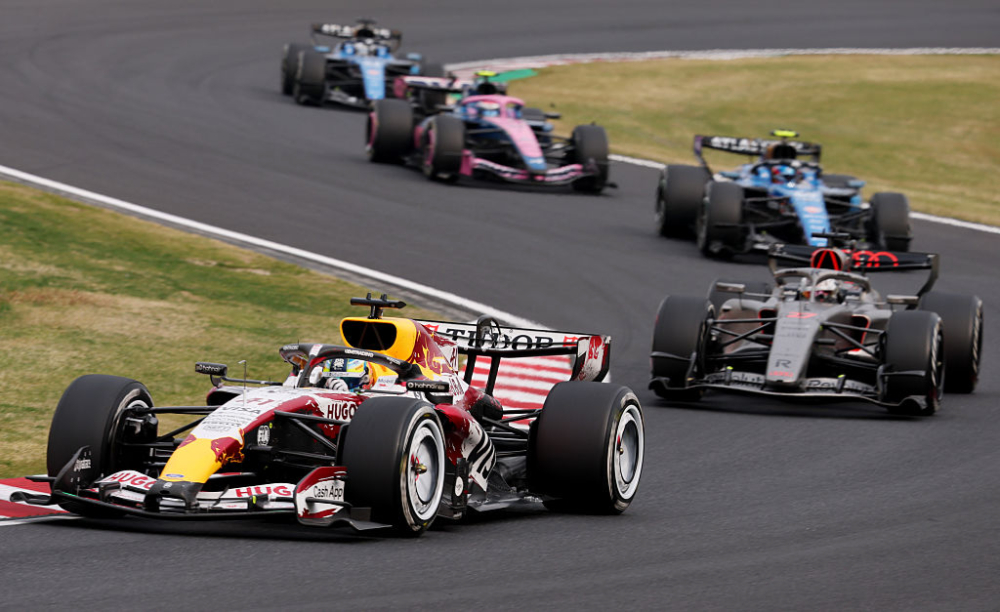
“There's two main focuses. One is to make qualifying a bit more flat-out, a bit more let’s say driver-focused and not power unit-focused, and then the other objective is the safety with the [Franco] Colapinto and [Ollie] Bearman incident [at Suzuka], to try and reduce these closing speeds.
“But we need to be careful when we do that, that we're not taking away some of the spectacle, or or too much of the spectacle. Because one way to reduce closing speeds of course is to remove things like the boost, reduce things like the extra energy that's available to the drivers when they're within a second of the car in front, and that will no doubt reduce those closing speeds but it'll also likely reduce overtaking as well. So we just need to be careful that we strike the right balance there I think.”
According to F1's data, while attendance at all three of the opening rounds were up year-on-year, the sport has also seen an average increase in television viewership across its top 14 markets of just over 25% for qualifying and the race.
Presented by:

Chris Medland
While studying Sports Journalism at the University of Central Lancashire, Chris managed to talk his way into working at the British Grand Prix in 2008 and was retained for three years before joining ESPN F1 as Assistant Editor. After three further years at ESPN, a spell as F1 Editor at Crash Media Group was followed by the major task of launching F1i.com’s English-language website and running it as Editor. Present at every race since the start of 2014, he has continued building his freelance portfolio, working with international titles. As well as writing for RACER, his broadcast work includes television appearances on F1 TV and as a presenter and reporter on North America's live radio coverage on SiriusXM.
Read Chris Medland's articles
Latest News
Comments
Comments are disabled until you accept Social Networking Cookies. Update cookie preferences
If the dialog doesn't appear, ad-blockers are often the cause; try disabling yours or see our Social Features Support.